Cart 0
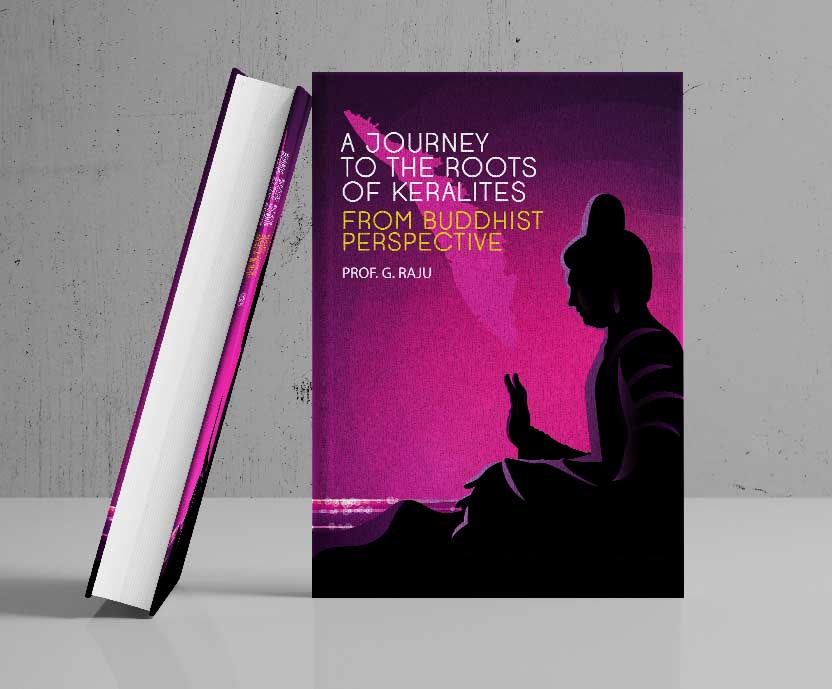
The book begins with a comprehensive overview of the prehistory and proto-history of Kerala. The author traces the social evolution in Kerala from ancient times, using archaeology and genetic studies to shed light on the early inhabitants and human migrations of the region. Notably a new insight regarding the earliest people of Kerala.
The book delves into the forces and factors that facilitated the rapid spread of Buddhism in this land, describing the society and people that emerged under its influence, along with the flourishing culture and civilization.
The author beautifully portrays the egalitarian society that characterized Kerala during the Buddhist era and chronicles its gradual decline and displacement. Particularly intriguing is the depiction of the degeneration of Buddhism in Kerala due to internal divisions and external influences. Furthermore, the book vividly depicts the slow but steady encroachment of the Chathurvarnya system on this benevolent land, resulting in the subsequent degeneration and degradation of Kerala’s society and its people.
A significant portion of the book highlights the contributions of Buddhism to Kerala, its culture, society, and the lives of its people. While these contributions are immense and immeasurable, the author emphasizes two key aspects: education and health. It was the efforts of the Buddhist community that played a pivotal role in establishing Kerala’s prominence in the fields of education and healthcare, a legacy that endures even today.